Description
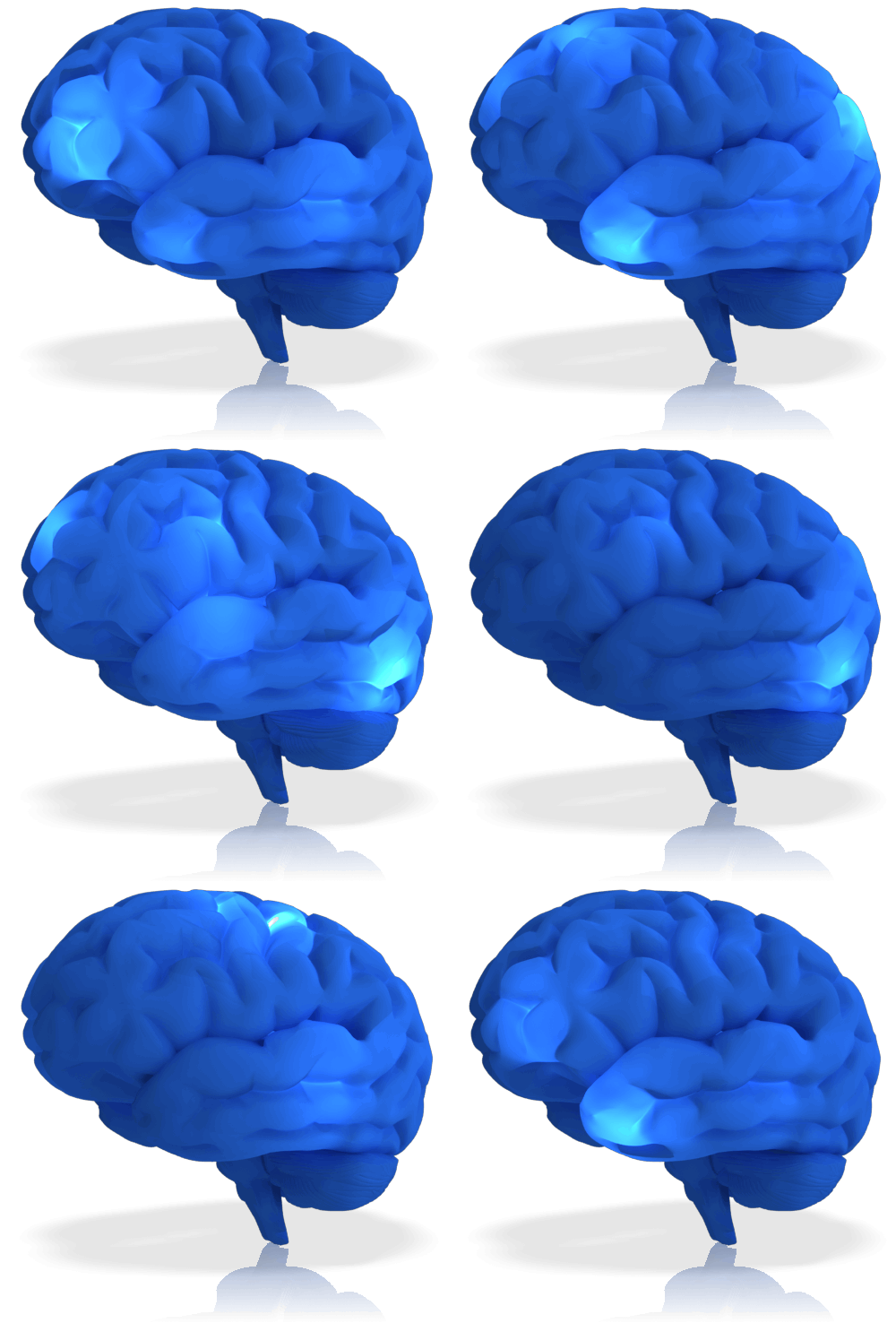
This course will review current theories and research on brain development with a
focus on important and useful brain functions and concepts for Play Therapists,
and the impact on brain development from early childhood trauma. This course
will also focus on understanding how play enhances brain development in children
and how the brain heals through the power of relationships and brain integration
activities and exercises.
Learning Outcomes:
1. Describe and explain the key structures and functions of the brain and
nervous system, and analyze how deficiencies or damage to these areas may
influence a child’s capacity to engage in and benefit from Play Therapy.
2. Identify and interpret developmental milestones in brain development—such
as object permanence, self-recognition, social referencing, and perspective
taking—and evaluate how these milestones inform assessment and
intervention within Play Therapy practice.
3. Examine and differentiate important and useful brain functions relevant to
Play Therapists, including left and right brain integration, the upstairs and
downstairs brain, mirror neurons, “use it or lose it,” brain hierarchy,
neurotransmitters, and memory, and apply this knowledge to therapeutic play interventions.
4. Analyze how neglect, poor attachment, abuse, prenatal exposure to
substances, and relational trauma impact brain development—particularly in creating a fear-driven brain—and discuss how Play Therapy interventions can support neural repair and emotional regulation.
5. Explain how play optimizes brain development and demonstrate ways that
Play Therapy utilizes play to enhance emotional, social, and cognitive
growth in children.
6. Evaluate and compare various Play Therapy models and approaches,
assessing how each promotes brain healing and integration through the
power of therapeutic relationships and neurobiological attunement.


Reviews
There are no reviews yet.